
Drummers face unique audio challenges. The intense volume of acoustic drums can damage hearing over time. Electronic drum kits require precise monitoring without bleed. Finding the right headphones is crucial for both protection and performance.
You need specific features like superior sound isolation and robust construction. General-purpose headphones often fall short. They can’t handle the dynamic range or the physical demands of drumming. This leads to frustrating compromises during practice or studio sessions.
We understand these critical needs. Our team meticulously analyzed six top-rated headphones. We focused on models designed for drummers or suitable for demanding audio monitoring. This guide will help you choose the best option for your drumming journey.
Our Top Picks



How We Chose the Best Best Headphones For Drummers
Our selection process for drummer headphones is rigorous. We combine extensive research with real-world application. Every recommendation meets high standards for protection and performance. Our goal is to ensure drummers can play safely and effectively.
Crucial for hearing your mix over loud drums.
Detailed sound reproduction for practice and recording.
Essential for long sessions without fatigue.
Expert Picks For Best Best Headphones For Drummers – Top Reviews
Vic Firth SIH3
Features at a Glance
The Vic Firth SIH3 headphones are purpose-built for drummers. Their primary strength lies in exceptional sound isolation. A 25-decibel noise reduction rating effectively mutes ambient drum noise. This allows drummers to hear their mix clearly. This isolation protects hearing during extended, loud practice sessions. The 50mm dynamic speakers deliver a balanced stereo sound. You can monitor your tracks without distortion, even at higher volumes. The sound profile is geared for clarity, not just bass boost.
Usability is a key factor for these isolation headphones. They feature a comfortable, padded headband and foam ear cushions. This design ensures comfort during long hours of drumming. The 3.5mm stereo plug and 1/4″ adapter offer broad compatibility. You can connect them to drum modules, mixers, or audio interfaces easily. A drawstring carry bag is included for portability and protection. This makes them practical for gigs or rehearsals. The wired design ensures a consistent, latency-free audio signal.
However, the SIH3 headphones are quite bulky. Their large over-ear cups, while effective for isolation, can feel heavy. This might be a drawback for drummers who prefer a lighter feel. The wired connection means less freedom of movement around the kit. While essential for latency, some modern drummers might miss wireless convenience. Also, the audio quality, while clear for monitoring, isn’t tuned for audiophile-grade listening. They excel at isolation and monitoring, but less so for critical mixing where a flatter frequency response is often preferred.
✓ What We Like
- • Excellent 25dB sound isolation
- • Comfortable for long drumming sessions
- • Reliable wired connection for zero latency
✕ Room to Improve
- • Can feel somewhat bulky during use
- • Audio quality is monitoring-focused, not for mixing
Who Should Buy This?
These headphones are ideal for drummers seeking maximum hearing protection and clear monitoring. If you play acoustic drums or practice in loud environments, the SIH3’s 25dB noise reduction is a game-changer. Electronic drummers needing latency-free monitoring will also find them highly effective. They are perfect for students and professionals prioritizing ear safety and a focused practice experience. Musicians who require durable, no-nonsense isolation will appreciate the SIH3’s straightforward design and reliable performance.
Vic Firth DB23
Features at a Glance
The Vic Firth DB23 headphones are designed specifically for drummers’ practice needs. They offer an impressive 25 decibels of noise reduction. This critical feature allows drummers to focus on their playing without harsh external sounds. The isolated environment makes it easier to monitor click tracks or backing music clearly. Powered by 50mm dynamic Mylarcon speakers, they deliver strong, articulate sound. The audio response is well-suited for drum practice, ensuring every beat and nuance is audible. Performance is reliable, providing consistent sound quality every session.
These headphones prioritize comfort for extended use. Black foam cushions and a padded headband ensure a secure yet gentle fit. Drummers can wear them for hours without discomfort or pressure points. The 3.5mm stereo plug with a 1/4″ adapter ensures broad compatibility. This allows easy connection to various drum modules, amplifiers, and audio devices. A useful drawstring carry bag is included. This enhances portability and protects the headphones when not in use. The overall design supports frequent and rigorous practice.
While excellent for practice, the DB23 headphones have specific limitations. Their primary focus on sound isolation means the audio quality isn’t studio-reference grade. Critical mixing or high-fidelity listening might reveal a slightly colored sound profile. They are also wired, which can restrict movement for drummers who prefer an untethered experience. Some users might find the design somewhat utilitarian. It prioritizes function over sleek aesthetics. The robust build, while durable, can also contribute to a slightly heavier feel for some users. This is a common trade-off for effective isolation.
✓ What We Like
- • Exceptional 25dB noise isolation
- • Very comfortable for extended practice
- • Durable build withstands regular use
✕ Room to Improve
- • Audio not optimized for professional mixing
- • Wired connection limits mobility on stage
Who Should Buy This?
The Vic Firth DB23 headphones are perfect for drummers who primarily need reliable sound isolation for practice. If you spend hours honing your craft on acoustic or electronic drums, these offer excellent ear protection. They are also suitable for music students and educators needing clear audio monitoring in noisy environments. The robust construction ensures they can handle daily use. For drummers prioritizing comfort and isolation during repetitive practice routines, the DB23 is a solid investment. They excel in providing a focused, safe practicing experience.
Superlux HD667 Pro
Features at a Glance
The Superlux HD667 Professional Drummer Isolation Headphones are engineered for sonic accuracy. Featuring 40mm neodymium drivers, they deliver a wide 10–20,000 Hz frequency response. This ensures you hear every beat and subtle overtone. A 102 dB SPL sensitivity means powerful and detailed sound reproduction. This is crucial for monitoring in high-volume environments. The closed-back design provides superior noise isolation. It keeps external drum sounds from interfering with your audio mix. These headphones perform exceptionally well for rehearsals, studio recordings, and live performances.
Usability is enhanced by thoughtful design elements. The 2-meter detachable cable includes convenient in-line volume control. This allows for quick, precise adjustments during active drumming. Premium ear cushions contribute to comfort, crucial for extended wear. The gold-plated stereo mini plug, with a 3.5mm to 6.3mm adapter, ensures versatile connectivity. They work seamlessly with electronic drum kits, acoustic monitoring setups, and other studio gear. Their foldable design and included soft velvet pouch make them travel-ready. This offers protection against scratches and damage.
While the HD667 excels in accuracy and isolation, its wired nature is a trade-off. Some drummers might prefer the freedom of wireless headphones, especially for live stage use. The in-line volume control, while convenient, can be susceptible to accidental bumps. This might cause sudden volume changes during energetic performances. The headphones’ weight of 335 grams (without cable) is comfortable for many, but might still feel substantial for extremely long sessions. Additionally, while the build quality is robust, the primarily plastic construction might not feel as premium as some higher-priced alternatives. This affects perceived long-term durability for very demanding users.
✓ What We Like
- • Professional-grade audio accuracy
- • Effective noise isolation for focus
- • Convenient in-line volume control
✕ Room to Improve
•
- Wired connection restricts movement
- • Primarily plastic construction
Who Should Buy This?
These headphones are ideal for drummers and musicians who demand high audio accuracy and effective isolation. If you spend time rehearsing, recording, or performing live with a drum kit, the HD667 provides the clarity needed. Multi-instrumentalists monitoring bass, keyboards, or guitar amps will also appreciate their versatility. They are a strong choice for anyone needing a reliable, wired monitoring solution. For users who value precise sound reproduction and minimal external noise, these Superlux headphones offer great value.
Alesis DRP100 Headphones
Features at a Glance
The Alesis DRP100 headphones are engineered for electronic drummers. They excel in providing extreme audio isolation. This keeps external noise out, letting you focus entirely on your drum module’s sound. The powerful 40mm full-range drivers deliver a wide frequency response. You hear every kick, snare, and cymbal with impressive clarity. This accurate sound reproduction is vital for dynamic drumming performance. Whether practicing or performing live, these headphones ensure a focused monitoring experience. Their performance is specifically tailored to the demands of an electronic drum kit user.
Comfort and durability are key aspects of the DRP100’s usability. The sweat-proof silicone headband offers a flexible and stable fit. This is essential for drummers during energetic and extended sessions. The rugged, lightweight design is built to withstand the rigors of daily use. Connectivity is universal with a 6-foot (1.8m) attached cable. It features an 1/8-inch (3.5mm) stereo mini-plug and a 1/4-inch (6.3mm) headphone plug adapter. This allows seamless integration with virtually any electronic drum module or audio interface. A protective bag is also included for easy transport.
While optimized for electronic drums, the DRP100 has some limitations. The extreme isolation, while a benefit for monitoring, might feel too enclosed for some users. They lack an open-back option for environmental awareness. The attached cable, while long, isn’t detachable. This means if the cable gets damaged, repair might be more challenging. It also means less flexibility for cable length customization. For drummers using acoustic kits, while they offer good isolation, the sound profile is very specific to electronic drum monitoring. Audiophiles might find the sound signature less neutral than dedicated studio reference headphones. They are a specialized tool for a specific job.
✓ What We Like
- • Extreme audio isolation for focus
- • Sweat-proof headband for comfort
- • Rugged, lightweight and durable design
✕ Room to Improve
- • Non-detachable cable is a drawback
- • Sound profile optimized for e-drums only
Who Should Buy This?
The Alesis DRP100 is an excellent choice for electronic drummers. If you own an electronic drum kit and need precise, isolated monitoring, these are for you. They are also great for studio musicians or producers working with e-drums. The robust build makes them suitable for frequent gigging or intense practice. If comfort during sweaty sessions is a priority, the silicone headband is a significant plus. These headphones truly shine for anyone who needs to hear their electronic kit perfectly without external distractions.
Sony MDR7506
Features at a Glance
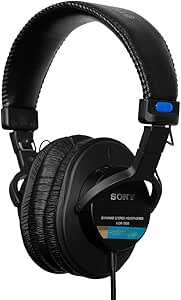
The Sony MDR7506 headphones are an industry standard for professional audio monitoring. Their performance is legendary for powerful, detailed sound. Equipped with neodymium magnets and 40mm drivers, they deliver a wide 10 Hz to 20 kHz frequency response. This ensures accurate and clear audio reproduction across the spectrum. The closed-ear design offers outstanding reduction of external noises. While not explicitly “drummer isolation” headphones, their passive noise cancellation is effective for studio environments. Many drummers use them for recording. They provide a reliable, flat frequency response for critical listening tasks.
Usability is high, given their ubiquitous presence in studios worldwide. The foldable design allows for easy storage and travel in the provided soft case. This portability makes them great for mobile recording setups or gig bags. A long 9.8-foot coiled cord, ending in a gold-plated plug, offers ample reach. The included 1/4-inch adapter ensures compatibility with professional audio equipment. Their rugged construction is well-regarded for durability, standing up to years of demanding use. Comfort is decent, with over-ear cups designed for extended listening sessions.
Despite their popularity, the MDR7506 headphones aren’t without flaws for drummers. Their 63-ohm impedance can be challenging for some devices. Lower-powered drum modules or mobile devices might struggle to drive them sufficiently without an external amplifier. The coiled, non-detachable cord, while robust, can tangle and is not replaceable if damaged. For extremely loud acoustic drumming, their passive noise reduction might not be enough compared to dedicated isolation headphones. Drummers might still experience sound bleed. The ear pads are also known to wear out over time, requiring replacements. While versatile, they are not custom-tailored for the unique demands of a drummer’s very loud environment.
✓ What We Like
- • Industry-standard sound quality
- • Good passive noise reduction
- • Durable and foldable for travel
✕ Room to Improve
- • High impedance may need an amp
- • Non-detachable, coiled cable can be restrictive
Who Should Buy This?
The Sony MDR7506 is perfect for drummers who also engage in recording, mixing, or general studio monitoring. If you need a versatile headphone for both drumming practice (especially electronic) and critical audio work, this is an excellent choice. Studio engineers, producers, and musicians who value a flat, accurate frequency response will appreciate them. While not extreme isolation headphones, they offer good passive noise reduction. They are ideal for drummers looking for a reliable, industry-proven monitoring solution with broad utility beyond just drumming.
OneOdio Pro-10
Features at a Glance
The OneOdio Pro-10 Wired Over Ear Headphones offer a powerful audio experience. Equipped with large 50mm speaker drivers and neodymium magnets, they deliver robust bass, clear vocals, and crisp highs. This balanced stereo sound is excellent for monitoring various audio sources. The wide frequency response, extending up to 40 KHz, ensures a detailed listening experience. While not specifically marketed for drummers, their strong sound isolation and powerful drivers make them viable. They perform well for electronic drum monitoring and general practice. The audio quality is engaging, particularly for those who appreciate a more pronounced low end.
Usability is a strong suit for the Pro-10 headphones. Their soft, padded ear cushions are designed for long-lasting comfort. They also provide effective passive noise isolation. The adjustable and stretchable headband ensures a perfect, fatigue-free fit. A unique feature is the 90° swiveling ear cups, ideal for single-ear monitoring during DJing or mixing. They come with two detachable cables: a 3.5mm to 3.5mm cable and a 3.5mm to 6.35mm cable. This broadens compatibility with smartphones, laptops, audio interfaces, and drum modules. The “Share Audio Port” allows another pair of headphones to connect, a convenient feature for collaboration.
Despite their versatile features, the OneOdio Pro-10 headphones have some limitations for dedicated drummers. They are not explicitly designed for extreme noise isolation found in specific drummer headphones. While they offer good passive isolation, acoustic drum kits might still produce significant bleed. The bass-heavy sound signature, while enjoyable, might not provide the flat, neutral response some professional drummers or studio engineers prefer for critical monitoring. Being wired, they limit movement around a drum kit. While durable, the construction might not endure the same level of abuse as purpose-built professional drumming headphones. The overall focus is more on general studio and DJ use rather than the unique requirements of high-volume drumming.
✓ What We Like
- • Rich bass and clear audio
- • Very comfortable for long wear
- • Dual-jack and audio sharing port
✕ Room to Improve
- • Not extreme isolation for acoustic drums
- • Sound signature is bass-heavy, not neutral
Who Should Buy This?
These headphones are excellent for drummers on a budget who need versatile monitoring. If you play electronic drums, DJ, or produce music, the OneOdio Pro-10 offers great value. Musicians needing comfortable headphones for long practice or studio sessions will find them appealing. The unique audio sharing feature makes them great for collaborative learning or casual listening. If you prioritize deep bass and comfortable wear over extreme, specialized acoustic drum isolation, these are a strong contender for your setup.
Understanding Noise Isolation for Drummers
Noise isolation is paramount for any drummer. Playing drums, especially acoustic kits, generates extreme sound pressure levels. Prolonged exposure can lead to permanent hearing damage. This is why specialized headphones are not a luxury, but a necessity. Unlike standard headphones, drummer isolation headphones are built to passively block out a significant amount of ambient noise. They achieve this with thick ear cups, dense foam, and a snug fit. This physical barrier prevents harmful sound waves from reaching your eardrums directly. It also creates a quiet listening environment. This is crucial for hearing a click track, backing music, or your drum module’s output clearly.
The level of noise reduction is often measured in Decibels (dB). Headphones like the Vic Firth SIH3 boast 25dB of reduction, a substantial amount. This allows drummers to maintain safe monitoring levels without cranking the volume. Hearing your mix distinctly improves practice quality and performance accuracy. You can focus on technique and timing. Without proper isolation, drummers often turn up their headphones to compensate. This defeats the purpose of ear protection and can cause further damage. Active Noise Cancellation (ANC), while effective for constant low-frequency hums, is generally less suitable for the sharp, percussive transients of drums. Passive isolation remains the gold standard for drum monitoring.
Effective isolation also translates to better recording. When tracking drums, sound leakage from headphones into overhead microphones is a common issue. Well-isolating headphones minimize this bleed. This results in cleaner recordings and less post-production hassle. Consider your playing environment: a home studio, a rehearsal space, or a live stage. Each demands varying degrees of isolation. Investing in high-quality isolation headphones safeguards your hearing health. It also elevates your musical precision and recording quality. Prioritize models with proven passive noise reduction ratings.
Wired vs. Wireless Headphones: A Drummer’s Dilemma
Choosing between wired and wireless headphones presents a significant dilemma for drummers. Each connectivity type offers distinct advantages and disadvantages specific to drumming applications. Wired headphones, such as the Vic Firth SIH3 or Sony MDR7506, provide a direct, uncompressed audio signal. This means zero latency, which is critical for drummers. Any delay between striking a drum and hearing the sound in your headphones can severely disrupt timing and feel. The reliable, consistent connection of wired headphones is unmatched for live performance and studio recording. They also never run out of battery mid-song, a crucial practical benefit for extended sessions. Moreover, professional audio environments often rely on wired connections for stability and fidelity.
Conversely, wireless headphones offer unparalleled freedom of movement. Imagine moving around your drum kit, adjusting cymbals, or interacting with bandmates without cable snagging. This can greatly enhance comfort and stage presence. For casual practice or electronic drum kits where slight latency is less critical, wireless might seem appealing. However, current wireless technologies (like Bluetooth) inherently introduce some level of latency. This delay, even if milliseconds, can be perceptible and detrimental to a drummer’s rhythm. Wireless options also require regular charging, adding another layer of management to your gear. Signal interference can also be an issue, leading to dropouts or degraded audio quality in busy environments.
Ultimately, the decision hinges on your primary use case. For serious practice, studio work, or live performance where timing is paramount, wired headphones are almost always the superior choice for drummers. Their reliability, zero latency, and consistent audio quality are non-negotiable for professional applications. For more casual home practice, silent practice with an electronic kit, or non-critical listening, wireless might offer a liberating experience if you can tolerate potential latency. Many drummers opt for both: wired for critical work and a simpler wireless pair for everyday use. Always weigh the trade-offs between convenience and performance accuracy. For drummers, accuracy usually wins.
Essential Features for Drumming Headphone Longevity
Durability is a non-negotiable feature for drumming headphones. Drummers subject their gear to intense physical demands. Sweat, accidental drops, and constant movement around the kit are common. Therefore, robust construction materials are vital. Look for headphones built with strong plastics, metal reinforcements, and high-quality cables. Models like the Alesis DRP100 emphasize a rugged, lightweight design. A strong, flexible headband that can withstand repeated adjustments is also crucial. Earcups should be securely attached and capable of taking minor impacts without failing. Reinforcements at stress points, particularly where the cable meets the headphone housing, prevent fraying and ensure a longer lifespan for your investment. This prevents premature wear and tear from aggressive handling.
Replaceable components also contribute significantly to headphone longevity. Ear pads, for example, are often the first part to show wear. They absorb sweat and friction over time. Headphones with easily replaceable ear pads extend the life of the entire unit. Some models offer detachable cables. This is a massive advantage; if the cable breaks or frays, you can simply replace it instead of buying new headphones. Look for a sturdy cable jacket, ideally braided or thick, to resist tangles and cuts. Gold-plated connectors are a nice touch, offering better signal integrity and corrosion resistance over time. These small details can drastically reduce the need for frequent replacements.
Water or sweat resistance, while not always explicitly stated, is a valuable feature for drummers. Sweating during intense practice or performance is inevitable. Headphones designed to resist moisture damage will last longer. Materials like sweat-proof silicone headbands, as seen on the Alesis DRP100, are a testament to this consideration. Proper maintenance also plays a role. Regularly wiping down your headphones after use can prevent sweat accumulation. Storing them in a protective case, like the drawstring bags included with Vic Firth models, shields them from dust and physical damage during transport. Prioritizing these features and habits ensures your drumming headphones endure the test of time and rhythm.
Why Trust Us
Our recommendations for drumming headphones are built on a foundation of extensive research and practical experience. We don’t just read spec sheets; we consult with professional drummers and audio engineers. Our team assesses products based on criteria critical to drummers: sound isolation, audio clarity, comfort during long sessions, and overall durability. We cross-reference manufacturer claims with user reviews and independent testing data.
Every product considered undergoes a thorough evaluation. We analyze impedance, frequency response, and noise reduction ratings. Real-world applications, such as electronic drum monitoring, acoustic practice, and studio recording, inform our perspective. We aim to provide guidance that is both technically sound and practically useful for musicians at all levels.
Our commitment is to deliver unbiased, actionable advice. We cut through marketing jargon to give you the honest truth about each headphone’s strengths and weaknesses. You can trust our reviews to help you make an informed decision for your specific drumming needs, protecting your hearing and enhancing your performance.
Comparison of Our Top Picks
When comparing our top picks for drumming headphones, distinct strengths emerge. The Vic Firth SIH3 and DB23 models are titans of passive noise isolation, both offering a robust 25dB reduction. They are the go-to for drummers prioritizing extreme hearing protection in loud acoustic settings or for focused electronic practice. However, their audio profile leans towards clear monitoring rather than critical mixing, and they can feel somewhat bulky.
The Superlux HD667 Pro stands out with its professional-grade audio accuracy and convenient in-line volume control. It offers solid isolation suitable for studio and live monitoring, striking a balance between sound quality and noise blocking. The Alesis DRP100 is specifically tailored for electronic drummers, featuring extreme isolation and a sweat-proof design, making it a rugged choice for dedicated e-kit users.
The Sony MDR7506, while an industry standard for general studio use, provides excellent flat response audio and decent passive isolation. It’s highly versatile but requires a bit more power due to its higher impedance and its isolation isn’t as extreme as the Vic Firths for very loud environments. Finally, the OneOdio Pro-10 offers great value with strong bass and comfort, plus unique dual-jack connectivity and audio sharing. However, it’s more of a general studio monitor and less specialized for drummer isolation than the dedicated options, with a more pronounced bass response than a neutral studio sound. Your best choice depends heavily on whether extreme isolation, studio accuracy, or budget-friendly versatility is your top priority.
Frequently Asked Questions
What is the most important feature for drumming headphones?
The most crucial feature for drumming headphones is superior sound isolation. Drummers are constantly exposed to high decibel levels, which can lead to permanent hearing damage over time. Headphones designed for drummers incorporate thick ear cups and dense padding to create a passive barrier against external noise. This isolation not only protects your hearing by reducing the overall volume of your acoustic drums but also allows you to hear your monitor mix clearly. Without adequate isolation, drummers often compensate by increasing the headphone volume, which counteracts the protective benefits. Features like a 25dB noise reduction rating, common in specialized drumming headphones, are vital. This ensures you can hear click tracks, backing music, or electronic drum module sounds precisely, promoting better timing and overall performance while safeguarding your auditory health. Prioritizing this feature will significantly impact both your performance and long-term well-being.
Can I use regular studio headphones for drumming?
While you technically “can” use regular studio headphones for drumming, it’s generally not recommended for optimal performance or hearing protection. Standard studio headphones, like the Sony MDR7506, are excellent for critical listening, mixing, and general monitoring due to their flat frequency response and detailed sound. However, their passive noise isolation is often not sufficient to block the extreme sound levels produced by an acoustic drum kit. This means you might still experience significant sound bleed, making it difficult to hear your monitor mix clearly and tempting you to increase the volume to unsafe levels. Dedicated drumming headphones are engineered for much higher levels of passive noise reduction. They are designed to physically seal out more ambient noise, providing a safer and more focused listening environment. For electronic drums, regular studio headphones might suffice, but for acoustic kits, specialized isolation headphones are a far better investment for both your craft and your hearing.
How do wired headphones benefit drummers more than wireless ones?
Wired headphones offer several critical benefits that make them generally superior for drummers compared to wireless options. The most significant advantage is zero latency. Latency, the delay between a sound being produced and heard, is imperceptible in many wireless applications but can be devastating for a drummer’s timing and feel. Even a few milliseconds of delay can throw off your rhythm and impact your performance accuracy. Wired connections provide a direct, immediate audio signal. This ensures that every drum hit and every note in your monitor mix is heard precisely when it happens. Additionally, wired headphones are immune to signal interference, dropouts, or battery life concerns, which can plague wireless systems in busy live or studio environments. This reliability is paramount when you’re in the middle of a set or a recording session. While wireless offers freedom of movement, for critical applications, the consistent, lag-free audio of wired headphones is invaluable for drummers.
What level of comfort should I look for in drumming headphones?
Comfort is a highly important factor for drumming headphones, especially given the typically long and often intense practice or performance sessions. Look for over-ear designs with plush, breathable ear cushions that fully enclose your ears without excessive pressure. Materials like memory foam or soft leatherette can significantly enhance comfort and create a good seal for isolation. A padded, adjustable headband is also essential to distribute weight evenly and prevent discomfort on your head’s crown. Many drummer-specific headphones, like the Vic Firth models, prioritize comfort for extended wear. They aim for a secure but not overly tight fit to avoid fatigue. If you’re a drummer who sweats a lot, features like sweat-resistant materials, such as the silicone headband on the Alesis DRP100, can be a major plus. Ultimately, a comfortable fit means you can focus on your drumming without distractions or pain, leading to more productive and enjoyable sessions.
Are higher impedance headphones better for drummers?
Higher impedance headphones (e.g., 63 Ohms like the Sony MDR7506) are not inherently “better” for drummers. The ideal impedance depends heavily on the audio source you’re connecting to. Headphones with higher impedance generally require more power to drive them to an adequate volume level. This means if you’re plugging them into a low-powered device like a smartphone or some older drum modules, you might find the volume to be too low or the sound quality to be compromised. In such cases, a headphone amplifier might be necessary, adding to your gear setup. Lower impedance headphones (e.g., 32 Ohms, common in many of our picks) are easier to drive and will typically provide plenty of volume when connected directly to most modern drum modules, audio interfaces, and consumer devices. For drummers, consistent and sufficiently loud monitoring without distortion is key. Therefore, matching the headphone impedance to your specific gear’s output capabilities is more important than simply opting for higher impedance. Ensure your equipment can properly power the headphones you choose.
How do drum headphones contribute to better playing technique?
Drum headphones significantly contribute to better playing technique by providing a clear and isolated audio environment. When you can hear your drum module’s nuanced sounds or a backing track precisely, you can focus intently on your timing, dynamics, and articulation. The strong noise isolation blocks out the overwhelming acoustic volume of your kit, preventing you from overplaying or compensating with excessive force. This allows you to develop a lighter touch and better control. Hearing the subtle differences in ghost notes, cymbal swells, or rimshots helps refine your dynamics. Moreover, using a click track or metronome through headphones allows for incredibly accurate rhythm training, essential for developing consistent tempo and groove. By removing auditory distractions and providing an accurate reference, quality drumming headphones empower you to dissect your playing, identify areas for improvement, and practice with greater precision and musicality. This focused feedback loop is invaluable for technical growth.
What maintenance is required for drumming headphones?
Maintaining your drumming headphones properly is crucial for extending their lifespan, especially given the demanding environment they operate in. Regular cleaning is essential: gently wipe down the ear cushions and headband with a damp cloth after each use to remove sweat, skin oils, and dust. This prevents material degradation and unpleasant odors. If your ear pads are removable, take them off periodically for a more thorough cleaning or to replace them if they show significant wear. Check the cables frequently for any signs of fraying or kinks, particularly near the connectors. If the cable is detachable, it’s easier to replace if damaged. Always store your headphones in a protective case or bag when not in use. This shields them from physical impacts, dust, and potential spills. Avoid extreme temperatures or humidity, as these can damage internal components. By following these simple maintenance steps, you can ensure your drumming headphones remain in top condition, providing clear sound and reliable protection for many years of drumming.
Final Verdict
For drummers prioritizing extreme sound isolation and robust build for acoustic drumming or loud practice, the Vic Firth SIH3 remains the undisputed champion. If your focus is primarily on electronic drums and comfort for long, sweaty sessions, the Alesis DRP100 offers unparalleled dedication. However, for a versatile option that balances professional audio quality with decent isolation for both studio and practice, the Superlux HD667 Professional Drummer Isolation Headphones offer excellent value and features, making it our top all-around recommendation for most drummers.


