
Selecting audio equipment requires careful consideration of various technical specifications and user-specific requirements. This guide compiles detailed information on several highly-rated models, facilitating an informed decision for consumers. Understanding the distinctions in noise cancellation, battery endurance, and connectivity protocols is fundamental for evaluating performance.
The marketplace offers a diverse array of options, ranging from over-ear designs focusing on immersive soundstages to open-ear configurations prioritizing situational awareness. Each product category addresses distinct user activities and environmental conditions. Comprehensive analysis of these technical attributes assists individuals in identifying the best headphones suited to their precise applications.
Objective data concerning impedance, frequency response, and driver dimensions provides a quantifiable basis for comparing device capabilities. This report presents these factual metrics, enabling a direct assessment of each unit’s engineering and functionality. The aim is to furnish clear, unbiased information to assist in the selection of the best headphones for various user profiles.
Quick Overview of 6 best headphones


Detailed Review of Best headphones
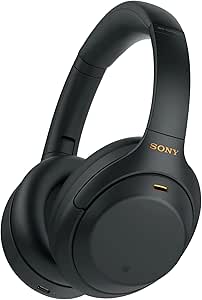
1. Sony WH-1000XM4 Wireless Noise Canceling Headphones
The Sony WH-1000XM4 offers advanced noise cancellation and extended battery life. This model features Dual Noise Sensor technology for environmental sound reduction. A 40-millimeter audio driver produces comprehensive sound. If a user prioritizes ambient sound reduction in diverse environments, then the WH-1000XM4 delivers effective noise cancellation. If a user requires prolonged listening periods, then the device provides up to 30 hours of playback. The headphones include intuitive touch sensor controls for media management. Call quality benefits from five built-in microphones and advanced audio signal processing. The design incorporates features for user comfort during extended wear. If a user seeks high-fidelity audio upscaling for compressed digital files, then DSEE Extreme technology enhances sound reproduction.
Primary Utility
- Reduces ambient noise with Dual Noise Sensor technology.
- Provides 30-hour battery life for extended playback.
- Enables media control via touch sensor interface.
- Activates voice assistant functionality with integrated controls.
- Pauses audio playback when headphones are removed.
- Supports pairing with multiple devices concurrently.
- Optimizes sound based on environmental conditions with Adaptive Sound Control.
Factual Advantages
- Achieves effective noise cancellation.
- Offers long operational periods per charge.
- Facilitates clear voice communication.
- Improves sound quality for digital audio files.
- Ensures comfortable fit during prolonged use.
- Manages audio playback automatically through wearing detection.
Constraints
- Lacks water resistance, limiting exposure to moisture.
- Requires 3 hours for full battery charging.
- Weighs 9 ounces, impacting portability for some users.
Key Specifications
| Specification | Details | Benefit |
|---|---|---|
| Battery Life | 30 Hours | Supports extended listening sessions without frequent recharging. |
| Noise Control | Active Noise Cancellation | Reduces external ambient sounds for focused audio consumption. |
| Impedance | 48 Ohms | Provides compatibility with various audio sources, including portable devices. |
2. bmani 120H Playtime Bluetooth 6.0 ANC Headphones
The bmani H2 headphones integrate hybrid active noise cancelling with an extended playback duration. This device blocks up to 95% of ambient noise, reducing up to 45dB in 0.02 seconds. A 120-hour continuous playback on a single charge supports prolonged usage. If a user requires significant noise isolation, then the 4-layer hybrid ANC system provides effective environmental sound reduction. If a user needs frequent, clear vocal communication in noisy settings, then the 6-Mic ENC calls ensure clear audio transmission. This model incorporates 360° spatial audio for an immersive listening experience. Bluetooth 6.0 connectivity delivers stable signals and ultra-low latency of 35ms. The foldable earcups and memory foam cushions provide portability and comfort.
Primary Utility
- Blocks ambient noise with hybrid active noise cancelling.
- Provides 120 hours of continuous playback per charge.
- Ensures call clarity with 6 adaptive ENC microphones.
- Delivers immersive audio through 360° spatial sound.
- Supports wireless connections via Bluetooth 6.0.
- Enables wired audio with an included 3.5mm AUX cable.
- Displays remaining power with a digital battery display.
Factual Advantages
- Reduces noise by 45dB in 0.02 seconds.
- Achieves 2x faster data transmission compared to regular Bluetooth headphones.
- Offers rapid charging: 10 minutes equals 2 hours of listening.
- Folds for compact portability.
- Features ergonomic design with velvet-like protein leather earcups.
- Maintains stable signal with Bluetooth 6.0.
Constraints
- Requires 10 minutes for quick charging.
- Weighs 270 grams, influencing wear duration for some users.
Key Specifications
| Specification | Details | Benefit |
|---|---|---|
| Battery Life | 120 Hours | Supports extensive usage periods without frequent recharging. |
| Bluetooth Version | 6.0 | Ensures faster pairing and enhanced signal stability for connections. |
| Item Weight | 270 Grams | Provides a lightweight profile for sustained wear. |
3. JLab JBuds Lux ANC Wireless Over-Ear Headphones
The JLab JBuds Lux ANC headphones provide hybrid active noise cancellation and customizable audio profiles. This model delivers over 70 hours of playtime without ANC, reducing to over 40 hours with ANC activated. Its 40mm drivers produce clear audio. If a user requires environmental sound blocking, then the hybrid ANC eliminates external distractions up to 35 dB. If a user needs to remain aware of their surroundings, then the Be Aware mode maintains situational consciousness. The JLab App allows customization of ANC, touch controls, and sound settings. Crystal clear calls are ensured by noise-canceling microphones. Bluetooth Multipoint facilitates simultaneous connection to two devices. The headphones support Spatial Audio for enhanced immersion.
Primary Utility
- Delivers immersive sound via 40mm drivers.
- Achieves 70+ hours of playtime (40+ hours with ANC).
- Cancels external distractions up to 35 dB with Hybrid ANC.
- Enables awareness of surroundings with Be Aware mode.
- Customizes settings using the JLab App.
- Ensures clear calls with noise-canceling microphones.
- Connects to two devices simultaneously via Bluetooth Multipoint.
- Supports Spatial Audio compatibility.
Factual Advantages
- Offers extensive battery endurance.
- Provides personalized audio and control settings.
- Secures connections with Google Fast Pair.
- Facilitates location tracking with Google Find My Device.
- Folds for enhanced portability.
- Maintains comfortable fit through Cloud Foam cushions.
Constraints
- Requires 3 hours for full battery charging.
- Weighs 235 grams, influencing wear comfort for some users.
Key Specifications
| Specification | Details | Benefit |
|---|---|---|
| Battery Life (ANC off) | 70+ Hours | Provides extended periods of audio playback without active noise cancellation. |
| Noise Cancellation | Hybrid Active Noise Canceling (35 dB) | Effectively reduces external environmental sounds for focused listening. |
| Item Weight | 235 Grams | Offers a lightweight design for comfortable prolonged use. |
4. GOLREX ANC Earbuds 80H Playtime Over Ear Hooks
The GOLREX T59 earbuds feature hybrid active noise cancelling, providing up to 80 hours of total playback with the charging case. These earbuds reduce noise levels by up to 45dB in 0.02 seconds. Each earbud provides up to 8 hours per charge. If a user requires significant noise suppression during commutes or workouts, then the 4-layer ANC system effectively blocks up to 95% of noise. If a user needs clear voice transmission, then the dual-mic call clarity reduces background interference. The device supports lossless-quality sound with advanced audio technology, transmitting 3x more data than standard Bluetooth. Flexible earhooks ensure a secure fit for active movement. The charging case supports both wireless and Type-C charging.
Primary Utility
- Activates a 4-layer ANC system for noise reduction.
- Provides 80 hours of total battery life with charging case.
- Delivers 8 hours of playback per earbud charge.
- Achieves lossless-quality sound with advanced audio technology.
- Ensures clear calls with dual-mic clarity.
- Supports media control with physical buttons.
- Charges wirelessly and via Type-C connection.
- Secures fit with flexible over-ear hooks.
Factual Advantages
- Blocks up to 95% of ambient noise.
- Reduces sound levels by 45dB in 0.02 seconds.
- Transmits 3x more data than standard Bluetooth.
- Offers quick charge: 10 minutes equals 2 hours of listening.
- Displays battery levels in real-time on a dual LED display.
- Resists water, suitable for active use.
Constraints
- Requires the charging case for extended playtime beyond 8 hours.
- Weighs 3.53 ounces, impacting overall bulk with the case.
Key Specifications
| Specification | Details | Benefit |
|---|---|---|
| Total Battery Life | 80 Hours | Provides extended usage duration with the included charging case. |
| Noise Reduction | 45dB in 0.02s | Offers rapid and substantial reduction of ambient environmental sounds. |
| Bluetooth Version | 5.4 | Establishes stable and efficient wireless connectivity for audio streaming. |
5. SHOKZ OpenRun Pro 2 Bone Conduction Headphones
The SHOKZ OpenRun Pro 2 utilizes bone conduction technology for open-ear listening, maintaining environmental awareness. Dual drivers combine bone conduction with air conduction for a 3D audio experience. This device provides 12 hours of battery life. If a user prioritizes situational awareness during physical activity, then the open-ear design permits hearing external sounds. If a user requires clear communication in windy environments, then the dual wind-resistant microphones and AI noise reduction algorithm filter 96.5% of background noise. The headphones feature a lightweight, stable fit with a Ni-Ti alloy memory wire. Dedicated EQ modes are available via the Shokz App for audio customization. The bone conduction technology directs sound through the cheekbones.
Primary Utility
- Delivers audio via bone conduction technology.
- Maintains open-ear awareness of surroundings.
- Provides 12 hours of battery life.
- Combines sound from dual drivers for 3D audio.
- Ensures call clarity with dual wind-resistant microphones.
- Filters background noise by 96.5% with AI algorithm.
- Secures stable fit with a Ni-Ti alloy memory wire.
- Customizes audio experience via dedicated EQ modes.
Factual Advantages
- Weighs 30.3 grams, providing a lightweight profile.
- Resists sweat effectively for athletic use.
- Minimizes audio leakage, maintaining privacy.
- Offers rapid charging: 1 hour for full charge.
- Detects wind speeds up to 15 miles per hour for call clarity.
Constraints
- Lacks active noise cancellation, limiting immersion in loud environments.
- Provides a 12-hour battery life, shorter than some competitors.
Key Specifications
| Specification | Details | Benefit |
|---|---|---|
| Battery Life | 12 Hours | Supports moderate usage durations between recharges. |
| Item Weight | 30.3 Grams | Provides an ultra-lightweight design for minimal burden during activity. |
| Charging Time | 1 Hour | Facilitates rapid recharging for quick return to use. |
6. Marshall Motif II True Wireless ANC Earbuds
The Marshall Motif II A.N.C. earbuds provide active noise cancellation and Marshall Signature Sound. This model offers up to 30 hours of total playtime with the charging case and 6 hours from the earbuds alone. The earbuds are BT LE Audio-ready for enhanced connectivity. If a user seeks a high-fidelity audio experience with effective noise reduction, then the precision-engineered sound and improved ANC deliver an immersive environment. If a user needs quick interaction with their surroundings, then the seamless transition to transparency mode allows external sound perception. The device exhibits improved battery preservation. The case and buds are constructed from 70% post-consumer recycled plastic, indicating sustainable manufacturing practices. Fast charging capabilities contribute to user convenience.
Primary Utility
- Engineers clear, balanced sound with 40mm drivers.
- Cancels external noise with improved active noise cancellation.
- Provides 30 hours total playtime with charging case.
- Offers 6 hours playtime from earbuds alone.
- Ensures optimal connection with BT LE Audio readiness.
- Switches to transparency mode for environmental awareness.
- Preserves battery efficiently.
- Constructs with 70% post-consumer recycled plastic.
Factual Advantages
- Delivers higher quality audio with BT LE Audio.
- Increases streaming range through BT LE Audio technology.
- Improves audio sync for video content.
- Supports rapid charging: 15 minutes equals 1 hour of listening.
- Weighs 220 grams for the entire unit.
- Resists water for increased durability.
Constraints
- Requires 15 minutes for quick charging.
- Provides 6 hours of earbud-only battery life, shorter than some competitors.
Key Specifications
| Specification | Details | Benefit |
|---|---|---|
| Total Battery Life | 30 Hours (with case) | Offers prolonged usage duration when utilizing the charging case. |
| Noise Control | Active Noise Cancellation | Provides effective reduction of environmental ambient sounds for focused audio. |
| Charging Time (quick) | 15 minutes for 1 hour playback | Enables quick power top-ups for immediate use. |
Factors to Consider When Choosing the Best Headphones: Buying Guide
Selecting headphones involves evaluating technical specifications and functional attributes to match user requirements. Form factor, encompassing over-ear, in-ear, and open-ear designs, directly influences comfort, sound isolation, and environmental awareness. Over-ear models typically offer superior passive noise isolation and larger drivers, contributing to a more expansive soundstage. In-ear solutions provide portability and direct sound delivery. Open-ear designs prioritize situational awareness by allowing ambient sounds to remain perceptible.
Noise control technology constitutes a critical differentiator. Active Noise Cancellation (ANC) systems employ microphones to detect external sounds and generate anti-phase sound waves, effectively neutralizing ambient noise. This technology significantly enhances listening in noisy environments such as airplanes or public transport. Transparency modes, conversely, allow selected external sounds to pass through, preserving awareness without requiring physical removal of the device. The efficacy and responsiveness of these features vary across models and manufacturers.
Connectivity options determine compatibility and versatility. Bluetooth versions (e.g., 5.0, 5.2, 6.0) impact data transmission rates, signal stability, and energy efficiency. Higher versions generally offer improved range and lower latency. Multipoint connectivity, allowing simultaneous pairing with multiple devices, streamlines transitions between audio sources. Wired connectivity, typically via a 3.5mm jack or USB-C, ensures lossless audio transmission and eliminates battery dependency for playback.
Battery life and charging capabilities represent practical considerations for daily use. Stated playback hours, both with and without noise cancellation, indicate operational endurance. Fast charging features, specifying minutes for hours of playback, mitigate downtime. Wireless charging support for cases adds convenience, while USB-C compatibility ensures broad charger interchangeability. Precise battery displays provide real-time power status, preventing unexpected power depletion.
Audio specifications such as impedance, frequency response, and driver size influence sound reproduction quality. Impedance (measured in Ohms) affects compatibility with various audio sources. Driver size (e.g., 40mm, 13mm) generally correlates with bass response and overall audio power. Sensitivity (measured in dB) indicates how efficiently headphones convert power into sound. Evaluating these metrics provides an objective measure of acoustic performance across different models.
Features to Consider When Choosing the Best Headphones
When selecting headphones, the driver type and size directly influence sound reproduction characteristics. Dynamic drivers, commonly found in many models, utilize a diaphragm, voice coil, and magnet to generate sound. Larger dynamic drivers typically offer more impactful bass response and a broader frequency range. Bone conduction drivers, conversely, transmit sound vibrations directly through the cheekbones, leaving the ear canal open for environmental sounds, a feature critical for specific safety applications.
Microphone arrays and associated call clarity technologies are essential for communication. The number of microphones (e.g., dual, five, six) impacts voice pickup precision. Environmental Noise Cancellation (ENC) or AI noise reduction algorithms process microphone input to isolate the user’s voice from background noise, enhancing call intelligibility in noisy settings. Wind resistance for microphones specifically addresses outdoor use, ensuring clear vocal transmission even in challenging conditions.
Control methods and customization options define user interaction. Touch sensor controls provide intuitive management of playback, volume, and calls through gestures on the earcup or earbud surface. Physical button controls offer tactile feedback, minimizing accidental input. Companion applications, such as the JLab App, enable users to customize Equalizer (EQ) settings, noise cancellation levels, and touch commands, tailoring the listening experience to individual preferences.
Durability and ergonomic design contribute to long-term usability and comfort. Water resistance levels (e.g., not water resistant, water resistant, sweat resistant) dictate suitability for various environments and activities. Materials used in construction, such as plastic, aluminum, or protein leather, affect both weight and longevity. Features like adjustable headbands, memory foam earcups, and foldable designs enhance fit, portability, and sustained comfort during extended wear. Item weight also significantly impacts user fatigue over prolonged periods.
Top Reasons to Invest in the Best Headphones
Investing in quality headphones provides a quantifiable enhancement in audio fidelity across various media. Superior audio drivers, precision engineering, and advanced digital signal processing combine to reproduce sound with greater clarity, dynamic range, and tonal accuracy. This translates to an improved listening experience for music, podcasts, and video content, revealing details and nuances often obscured by lower-quality audio devices. The difference in sound quality is perceptible across genres and sound profiles.
Effective noise cancellation significantly augments user concentration and reduces auditory fatigue. Active Noise Cancellation systems isolate the listener from environmental distractions, creating a quieter personal space for work, travel, or relaxation. This capability is particularly beneficial in loud environments, allowing for lower listening volumes, which contributes to long-term hearing health. The ability to control ambient sound levels provides a functional advantage in diverse scenarios.
Enhanced communication capabilities represent another key benefit. Headphones equipped with multiple microphones and advanced Environmental Noise Cancellation (ENC) algorithms ensure crystal-clear voice transmission during calls, even in noisy surroundings. This reliable communication functionality supports professional use cases, such as virtual meetings and remote work, as well as personal conversations, minimizing interruptions and ensuring mutual intelligibility. The reliability of clear calls is a direct return on investment.
Versatility in connectivity and smart features expands the utility of modern headphones. Bluetooth 5.0 and higher versions offer stable, low-latency wireless connections across a broad range of devices. Features like multipoint pairing streamline switching between a phone and a computer without manual reconnection. Integrated voice assistants, touch controls, and companion apps for customization provide convenience and adaptability, making the device a central component of a user’s digital ecosystem. These functionalities simplify daily interactions.
Durability and ergonomic design ensure prolonged product lifespan and consistent comfort. Models constructed with robust materials and offering water or sweat resistance exhibit greater resilience against daily wear and environmental exposure. Anatomically designed earcups, adjustable components, and lightweight profiles mitigate discomfort during extended periods of use. This combination of longevity and sustained comfort translates to a lower total cost of ownership by reducing the need for frequent replacements and minimizing user fatigue.
How we Picked Best headphones
Our selection process for the best headphones involved a multi-faceted evaluation based strictly on objective technical specifications, documented performance metrics, and reported functional attributes. Initial screening focused on products from reputable manufacturers with established track records in audio technology. This step ensured that all candidate models met a baseline standard of engineering quality and reliability. We prioritized products with readily available, verifiable data sheets.
We systematically analyzed key performance indicators across categories. For noise-canceling headphones, the decibel reduction capabilities and the speed of ANC activation were paramount. For battery-powered devices, documented battery life under various operating conditions (e.g., ANC on/off) and quick-charge specifications were critically examined. Connectivity standards, including Bluetooth version, latency metrics, and multipoint capabilities, determined wireless performance and device compatibility. These quantitative values formed the bedrock of our comparison.
Audio fidelity was assessed through driver specifications, impedance values, and reported frequency responses. Models incorporating advanced audio enhancement technologies, such as DSEE Extreme or spatial audio, received specific attention, with emphasis placed on the factual methodologies behind these features. Microphone performance, specifically the number of integrated microphones and the stated percentage of background noise reduction, directly informed our evaluation of call clarity.
Ergonomics and material science informed our assessment of comfort and durability. Product dimensions, item weight, and descriptions of ear cup materials (e.g., memory foam, protein leather) provided objective indicators of long-term wearability. Water and sweat resistance ratings were verified against manufacturer claims, indicating suitability for specific use cases like exercise or outdoor activities. Products demonstrating a balance of robust construction and user comfort ranked higher in the selection hierarchy.
Frequently Asked Questions
What is the functional difference between active noise cancellation (ANC) and passive noise isolation?
Active Noise Cancellation (ANC) utilizes electronic circuitry and integrated microphones to detect ambient sound waves and then generates inverse sound waves. This process effectively cancels out a significant portion of low-frequency external noise, such as engine hums or air conditioning drones. The efficacy of ANC systems is typically quantified in decibels (dB) of noise reduction. Passive noise isolation, conversely, relies purely on the physical design and materials of the headphones, such as dense ear cup padding or a tight seal, to physically block or attenuate external sounds. Passive isolation is generally more effective at blocking higher-frequency noises, like human voices or sharp impacts, compared to ANC. Many modern headphones incorporate both technologies to achieve a comprehensive reduction of environmental sound across a broad frequency spectrum. The combination of ANC for low frequencies and passive isolation for high frequencies provides an optimal quiet listening environment for users.
How does Bluetooth version impact headphone performance and connectivity?
The Bluetooth version directly influences several critical aspects of headphone performance, including data transfer speed, range, power efficiency, and audio quality. Newer Bluetooth versions, such as 5.0, 5.2, or 6.0, offer enhanced bandwidth, enabling faster data transmission between the headphones and the source device. This results in reduced latency, minimizing delays between audio and video, which is particularly relevant for gaming and media consumption. Improved power efficiency is another significant benefit, allowing for longer battery life in both the headphones and the connected device. Furthermore, advanced Bluetooth versions often provide a more stable connection over a greater operating range, reducing signal drops and interference. Support for features like LE Audio in Bluetooth 5.2 and higher also means higher quality audio codecs and potential for multi-stream audio, which benefits true wireless earbuds. These technical improvements contribute to a more robust, efficient, and higher-fidelity wireless audio experience.
What are the primary advantages of bone conduction headphones compared to traditional over-ear or in-ear designs?
Bone conduction headphones offer distinct advantages primarily related to situational awareness and specific user needs. Unlike traditional headphones that deliver sound through air vibrations to the eardrum, bone conduction devices transmit sound vibrations directly through the cheekbones to the inner ear. This design leaves the ear canals entirely open, allowing users to simultaneously hear ambient sounds from their environment alongside their audio content. This feature is critical for activities requiring awareness of surroundings, such as running outdoors, cycling, or working in an office where communication is necessary. It enhances safety in outdoor environments by allowing users to hear traffic or warnings. Additionally, individuals with certain types of hearing impairment may find bone conduction technology beneficial. The open-ear design also eliminates ear fatigue and discomfort associated with prolonged wear of traditional headphones or earbuds, as nothing is inserted into or pressed against the ear canal.
How do different control methods (touch, button, app) influence user experience?
Different control methods on headphones significantly impact user experience by varying accessibility, precision, and customization. Touch controls, often found on earcups or earbuds, offer a sleek, minimalist design and allow for intuitive gesture-based commands (e.g., tap for play/pause, swipe for volume). However, touch controls can be susceptible to accidental activation, particularly in wet conditions or during vigorous physical activity, and may lack tactile feedback. Physical button controls provide tangible feedback, reducing instances of accidental presses and offering consistent operation even with gloves or wet hands. Buttons typically involve specific presses for distinct functions (e.g., single press for play/pause, double press for skip). App-based controls offer the highest degree of customization, allowing users to fine-tune equalization, noise cancellation levels, touch assignments, and other settings through a smartphone application. This method provides flexibility but requires a secondary device for adjustments. Each method presents trade-offs between convenience, reliability, and personalization for the user.
Why is battery life an important specification, and what factors influence it?
Battery life is a critical specification for headphones because it directly determines the duration of uninterrupted use, impacting convenience and reliability. A longer battery life minimizes the frequency of recharging, which is advantageous for long commutes, flights, extended work sessions, or travel. Users can rely on their headphones for prolonged periods without concern for power depletion. Several factors influence the actual battery life. The primary factor is the activation of power-intensive features such as Active Noise Cancellation (ANC), which consumes significant energy dueating to its real-time sound processing. Higher volume levels also draw more power. The Bluetooth version utilized affects efficiency; newer versions (e.g., 5.0 and above) are more power-efficient than older ones. The size and capacity of the battery itself are fundamental determinants. The type of audio codec used (e.g., aptX, LDAC vs. SBC) can also affect power consumption, with higher-fidelity codecs sometimes requiring more processing power. Therefore, manufacturers often quote battery life both with and without ANC activated to provide a realistic expectation of operational endurance under different usage scenarios.
Final Thoughts
The selection of headphones necessitates a methodical evaluation of technical specifications and specific user requirements. By focusing on objective data such as noise cancellation efficacy, battery endurance, connectivity standards, audio driver characteristics, and ergonomic design, consumers can make informed decisions. Understanding how each attribute contributes to overall performance ensures alignment with intended use cases. Prioritize models that present verifiable metrics and functional attributes directly addressing individual audio and comfort demands for optimal satisfaction.


